Care that works for ALL of you.
Building an all-in-one telehealth solution from the ground up: research to launch. 0 to 100.
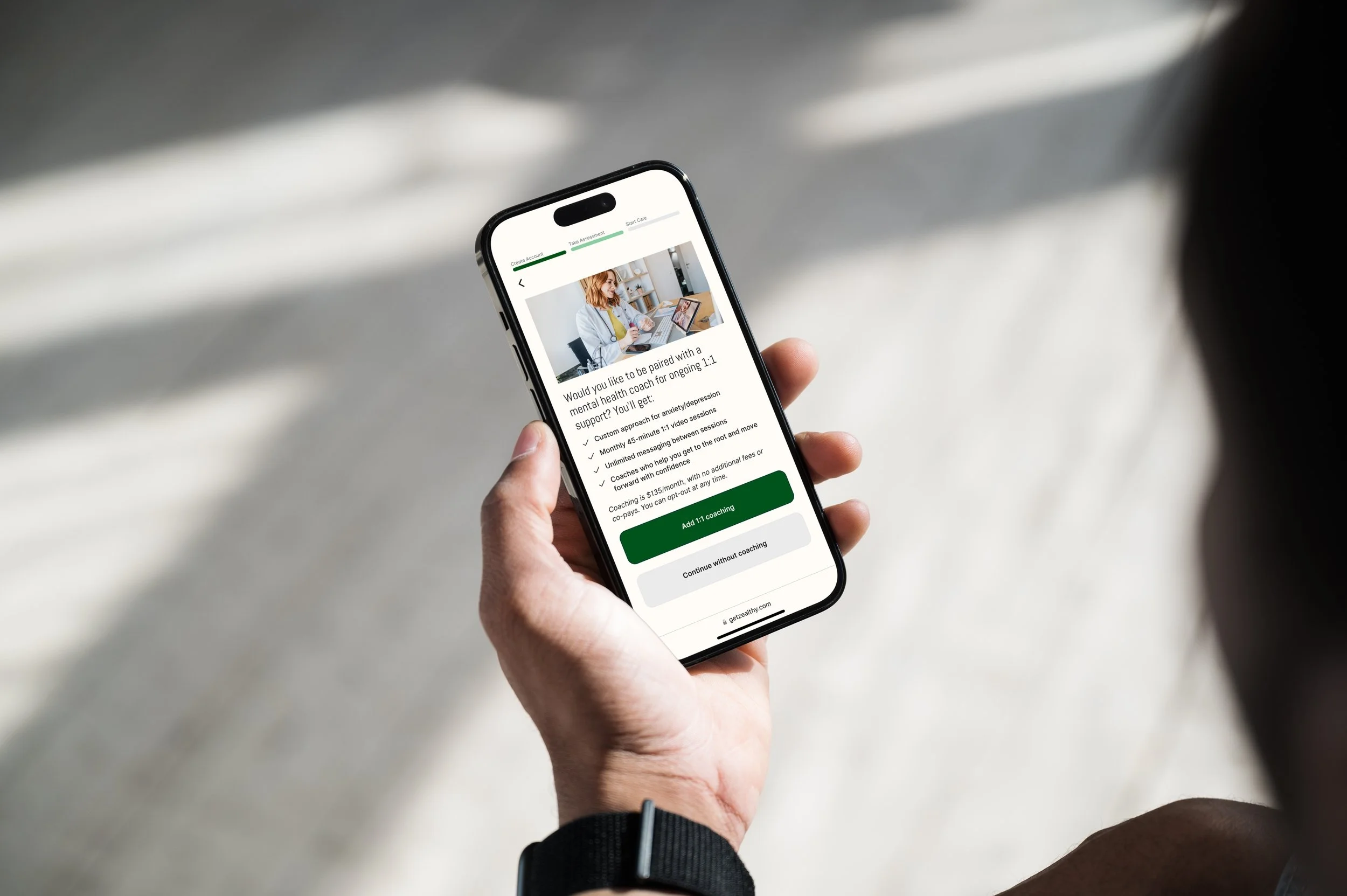
Client
Kyle Robertson, the visionary mind behind Cerebral (currently valued at $4.8 billion), reached out to me in January about coming on to help him build the "Amazon of telehealth." Zealthy’s mission is all-encompassing: delivering high-quality virtual care for everything from the common cold to anxiety, all at accessible, affordable prices nationwide. How could I not say, "Absolutely, I'm in!" and become a part of this journey?
Overview
Zealthy's field expert, Robertson, honed in on the target offerings. From this, I crafted multiple medical questionnaires, ensuring clarity and accuracy, detailed our information architecture in a 30-page logic doc, and forged a streamlined design system. The culmination of my efforts resulted in crafting over 300 mobile-first web pages in just 4 months. And I maintained open communication with Kyle throughout, faithfully delivering on tight deadlines.
ROLE
Founding Product Designer
IMPACT
Scaled to 50K users in the first 3 months
TEAM
Kyle Robertson, CEO & Founder
Harry Kran-Annexstein, CTO
Dmitry Kurbatov, Software Engineer
TOOLS
Figma, Getty Images, Google Docs, Jira, Noun Project, Slack, Unbounce, Zoom
Prior to my arrival, Kyle had not only successfully pinpointed Zealthy's key treatment domains—primary care, skincare, hair loss, erectile dysfunction, weight loss, and anxiety or depression—but also collaborated with top medical experts to develop initial questionnaires for each. This effort laid a strong foundation for future teamwork and progress.

Optimal questionnaires
Optimal questionnaires
As the first post-sign-up step, the questionnaires had to feel quick and trustworthy. The challenge was clear: how could we collect sensitive health data without overwhelming or scaring users off? From day one, I jumped in, applying my copywriting skills, offering UX strategy, and collaborating closely with specialists. Given the complexity of healthcare, we iterated until they felt truly human: friendly, reassuring, and grounded in clear language that built trust and eased anxiety.

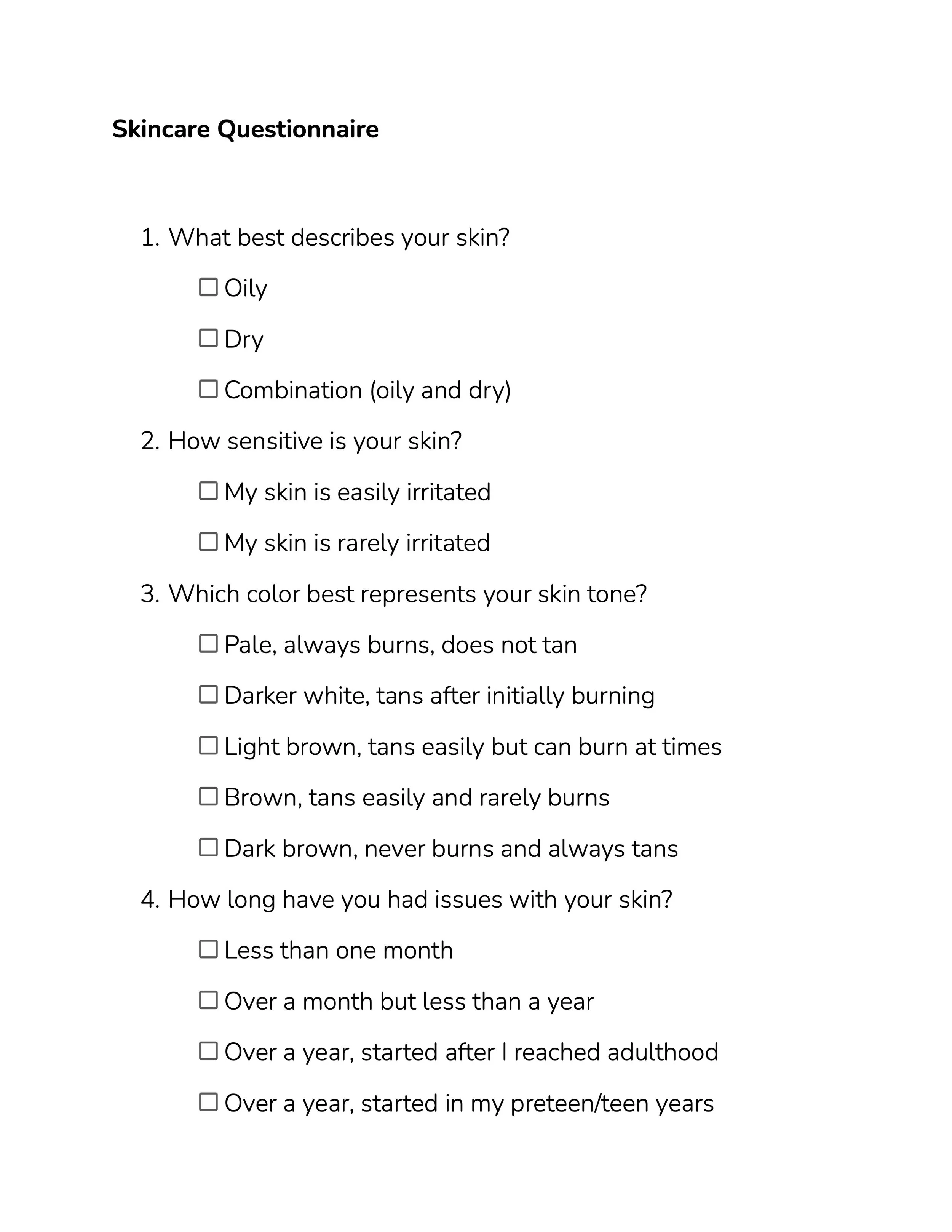
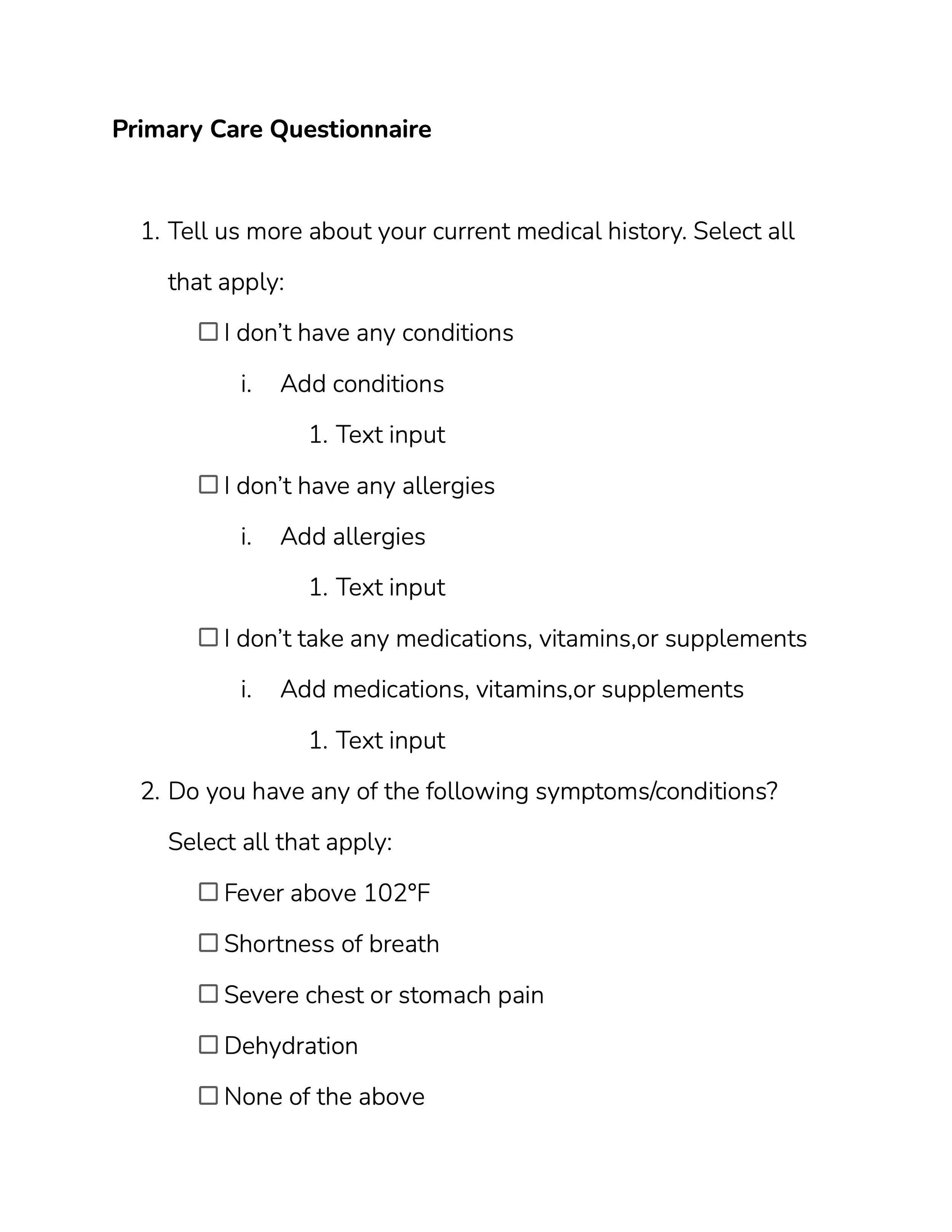
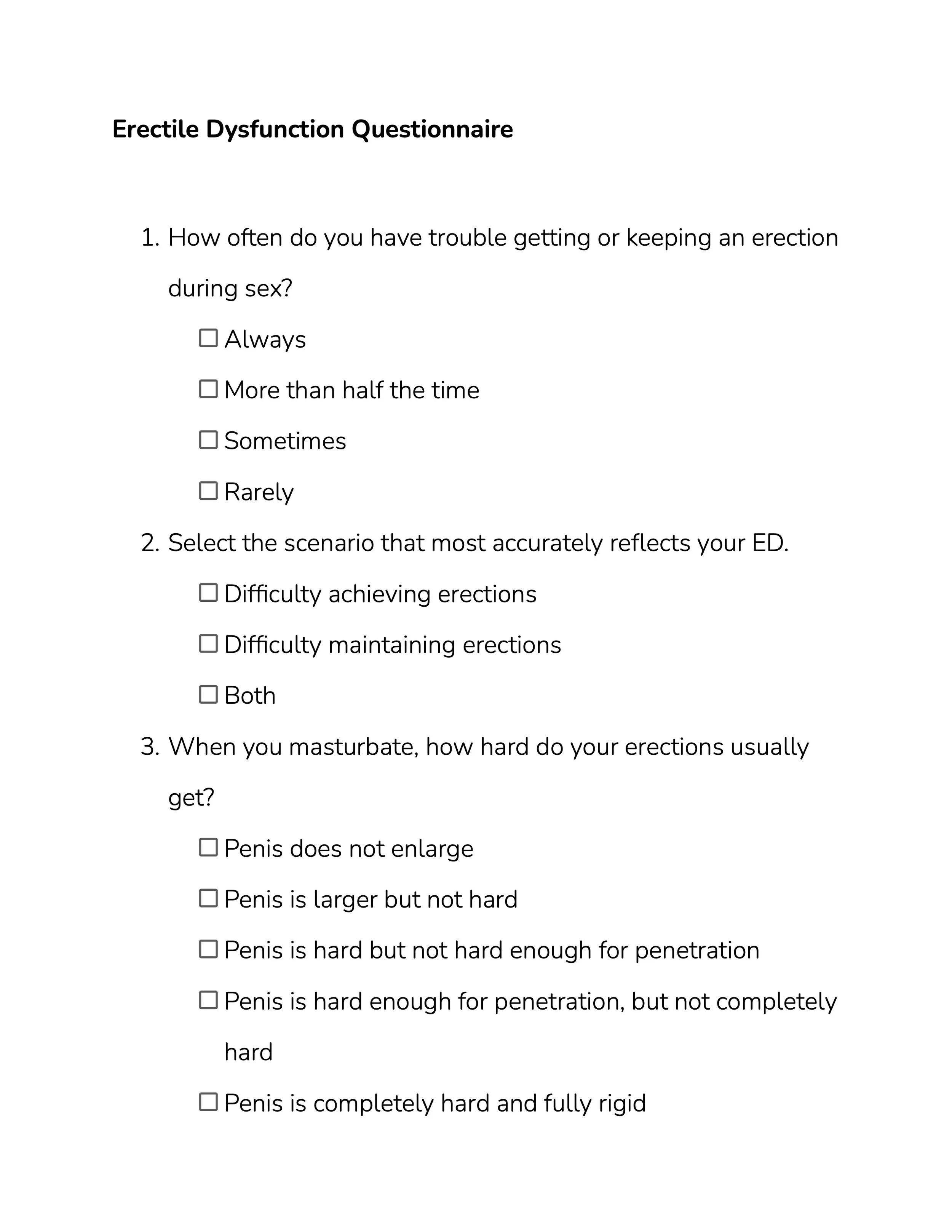
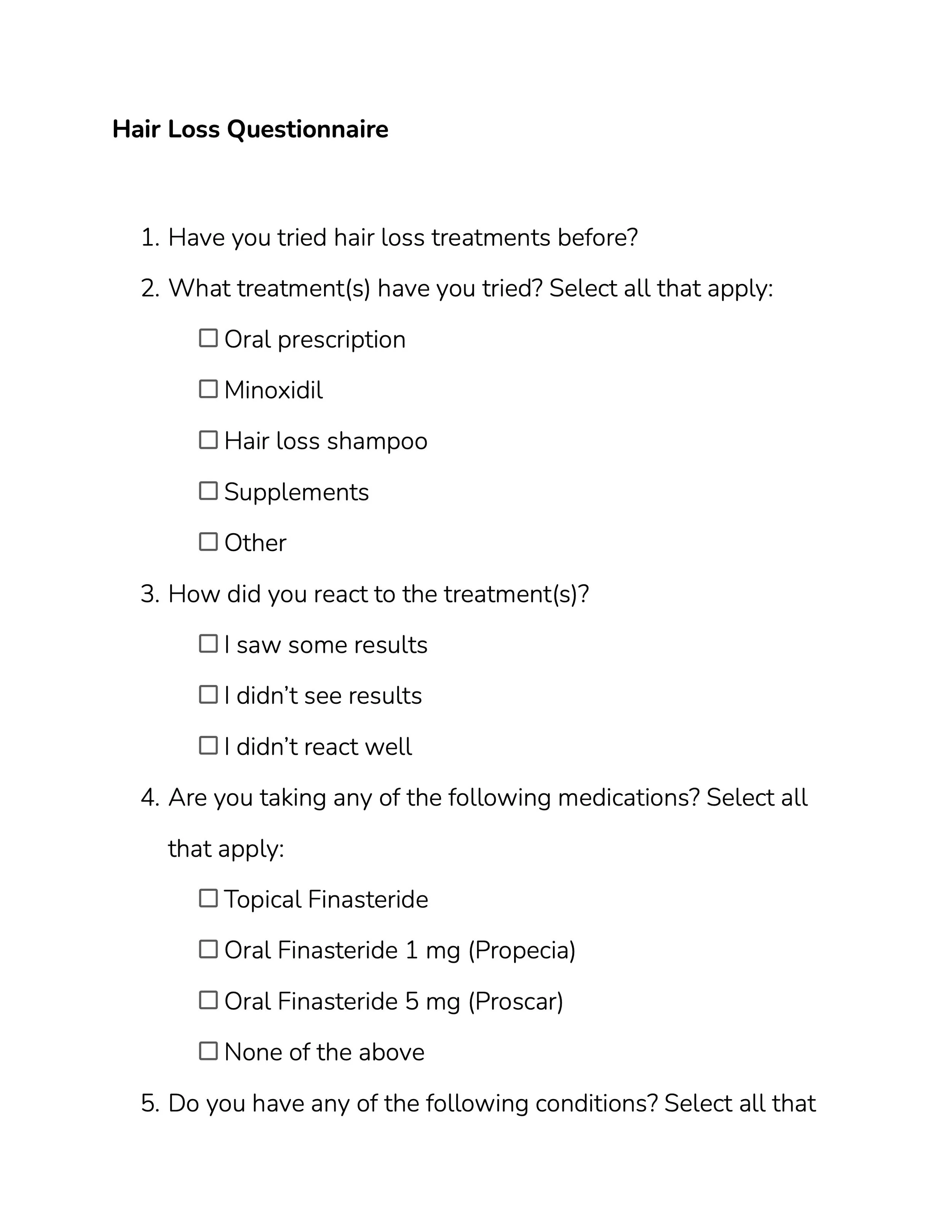
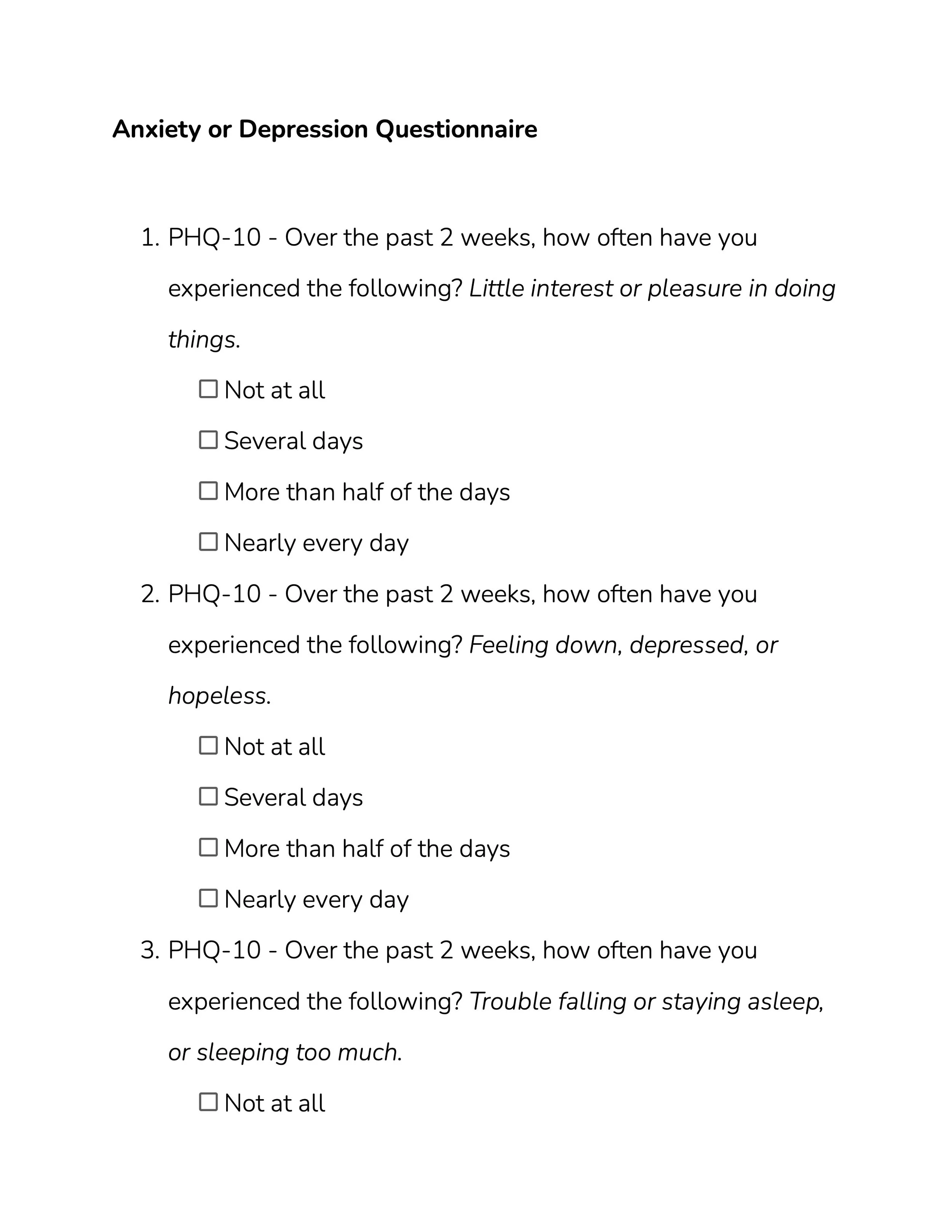
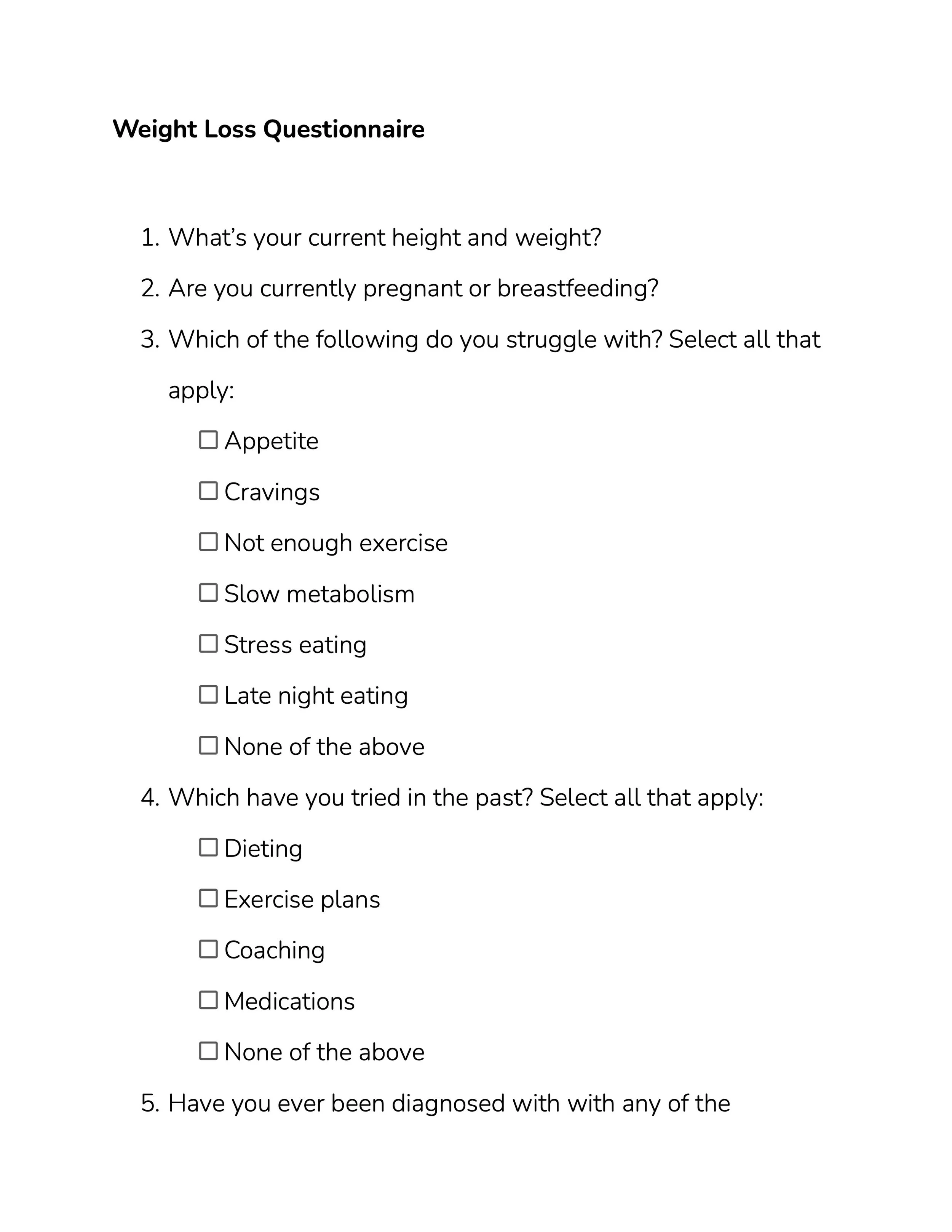

Something Kyle taught me is that MVP in healthcare isn't enough; you must prove it works. There’s no trial run, no do-overs—patients' lives are at stake. The margin for error is razor-thin. You either get it right, or you don’t, and that takes time, commitment, and precision.
Complex logic work
Complex logic work
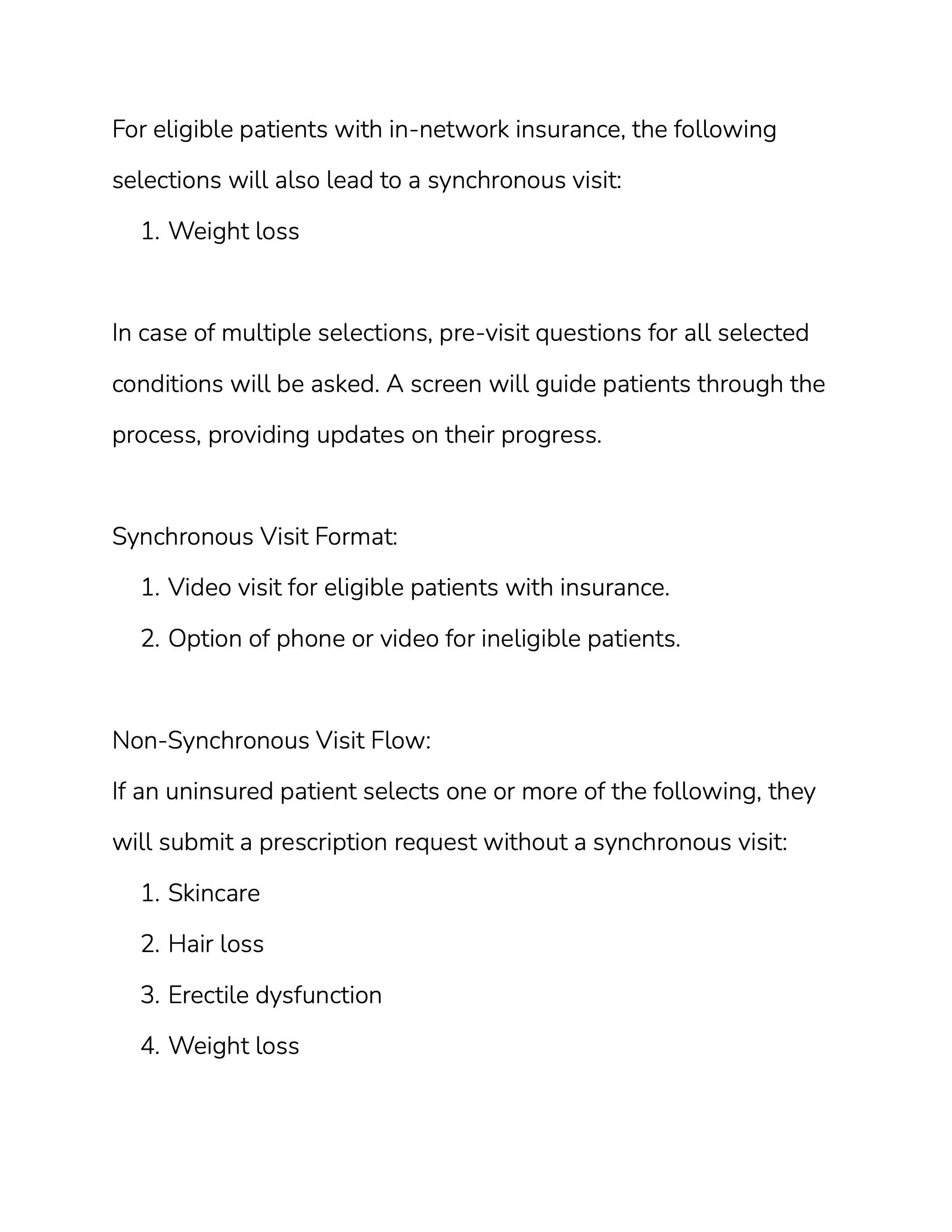
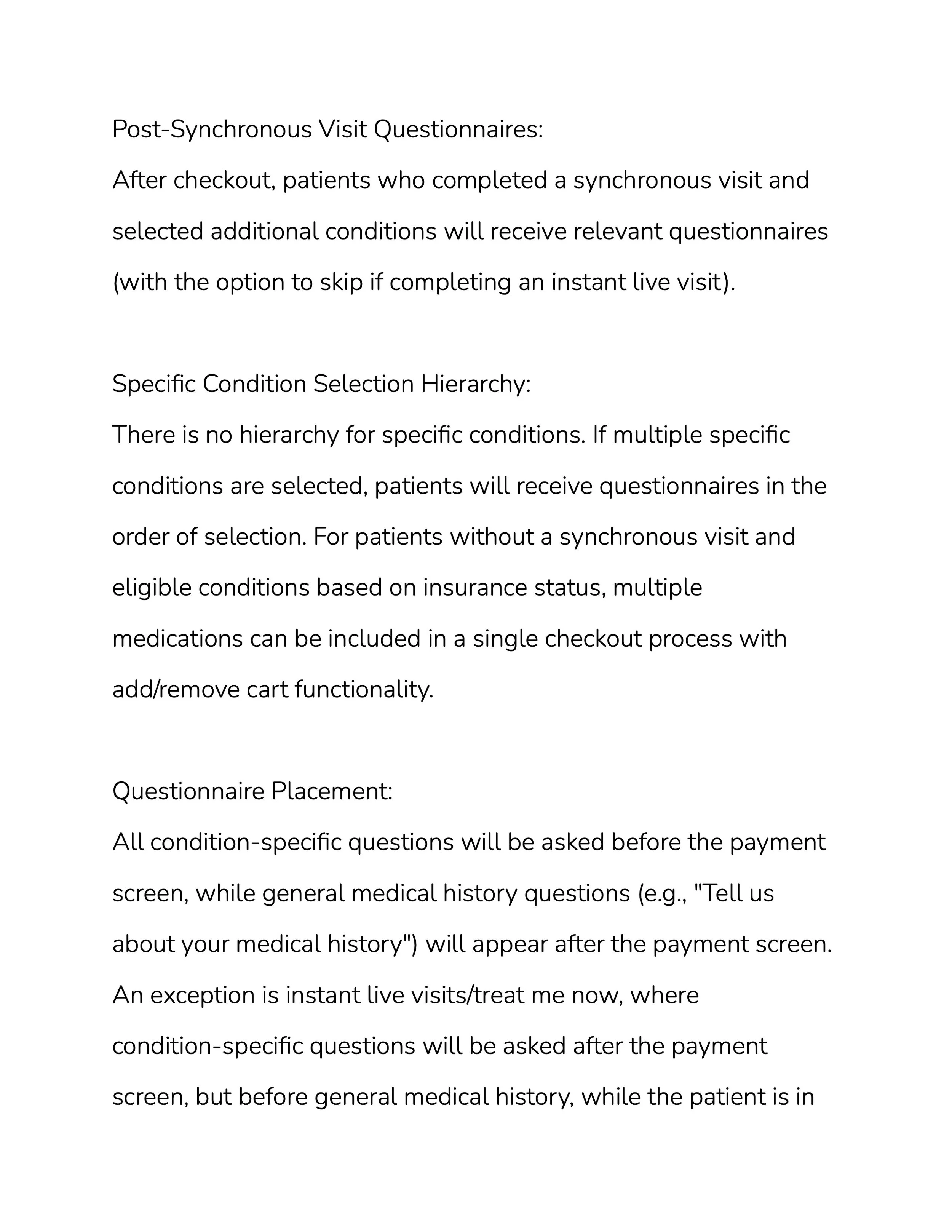
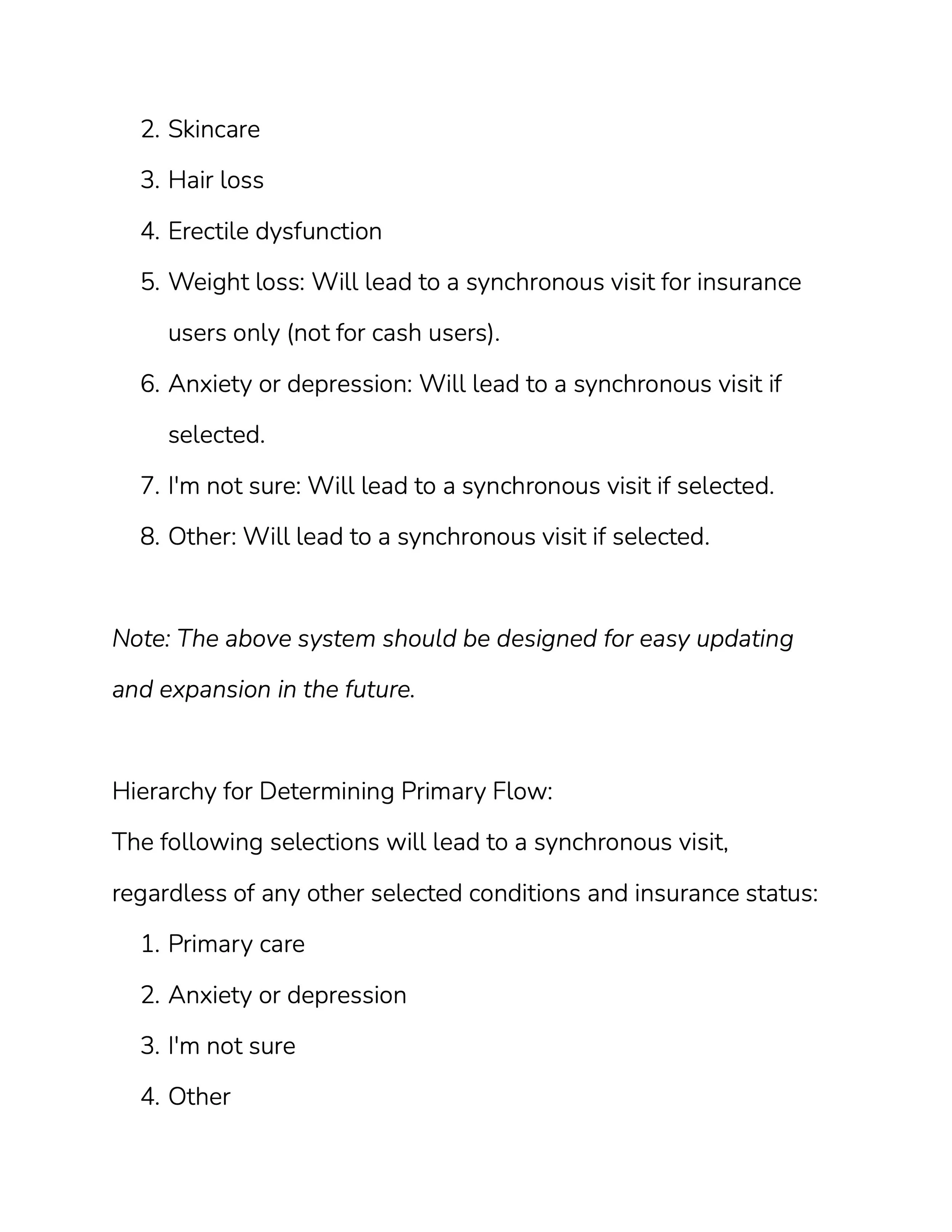
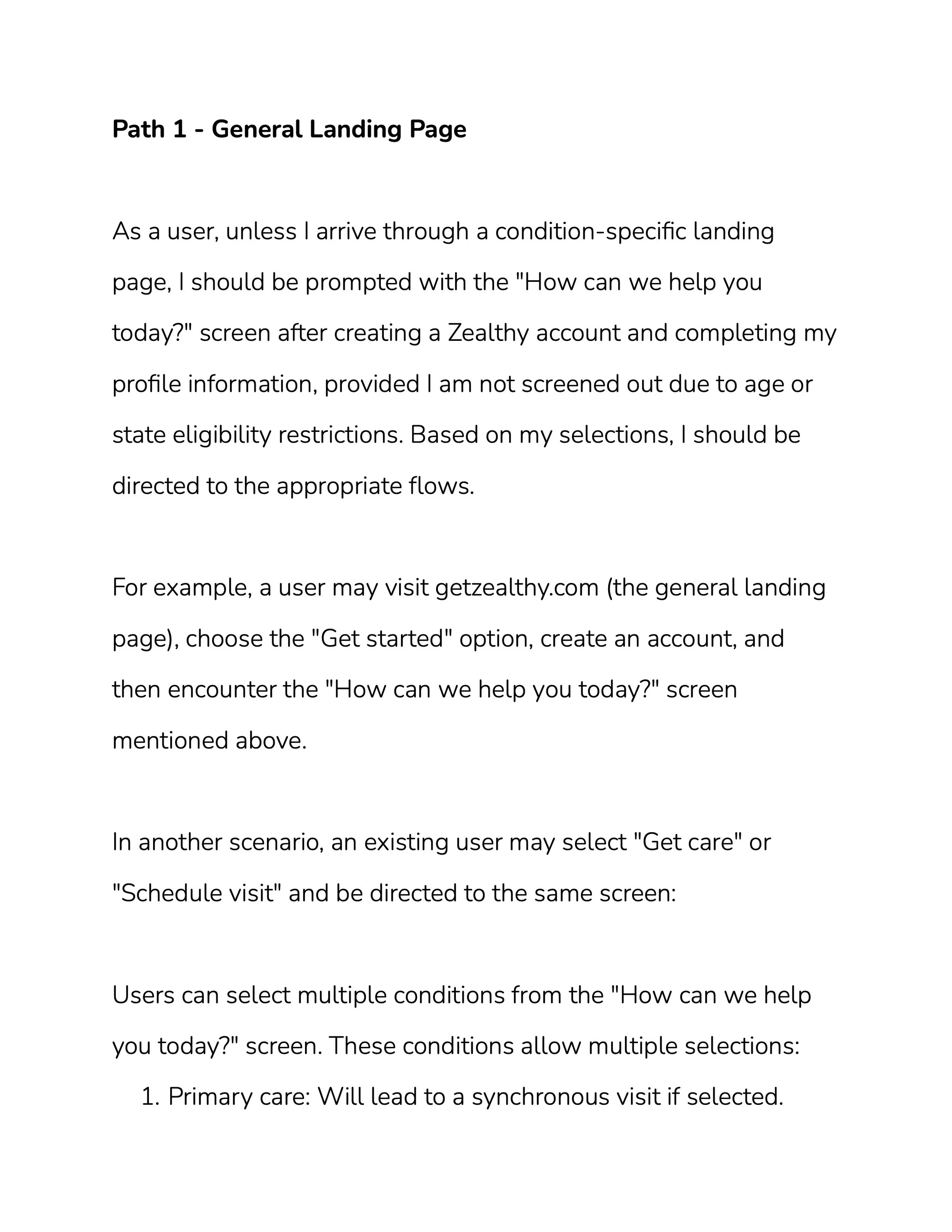
Healthcare UX is highly conditional and nonlinear. Without intentional information architecture, it can quickly create bottlenecks and confusion down the road. To prevent this, I partnered with the Kyle to create a detailed 30-page logic guide that mapped out the entire platform. How one answer would influence the next, when to branch, and when to stop. We constantly asked ourselves: What’s the lightest possible version of this that still gets us what we need?

Simple, successful designs
Simple, successful designs
Designing that logic early and getting it right was key to FUTURE ACQUISITION & RETENTION.
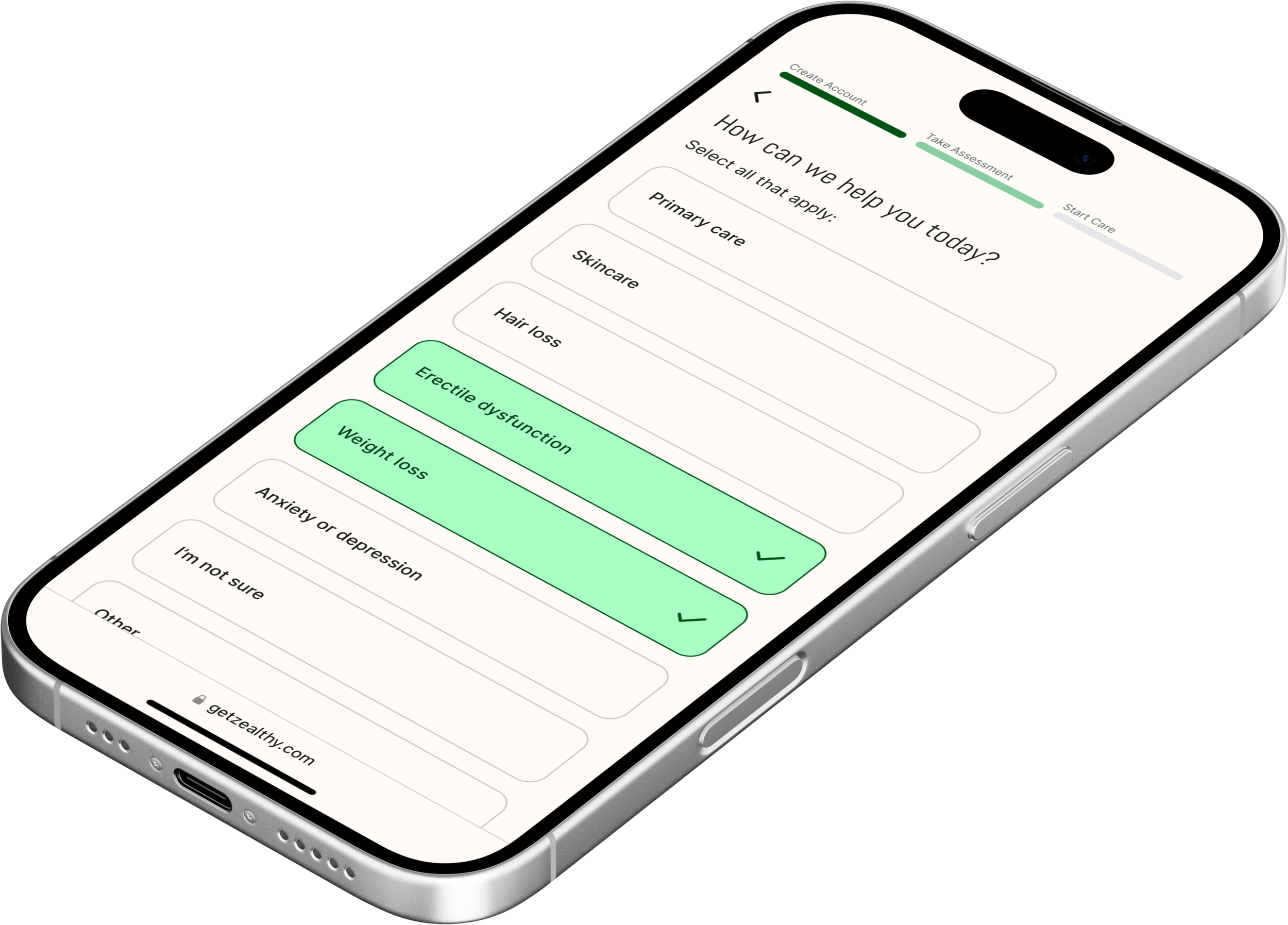
In one week, I built a simple, mobile-first design system using an atomic approach, including a questionnaire template that enabled rapid iteration and scalability. Over the next 4 months, I designed 300 mobile web pages, focusing on a clean, consistent system that was easy to build and maintain. I partnered closely with two engineers to ensure smooth implementation and untangle technical complexities, because while the UI looked simple, the architecture behind it was anything but.
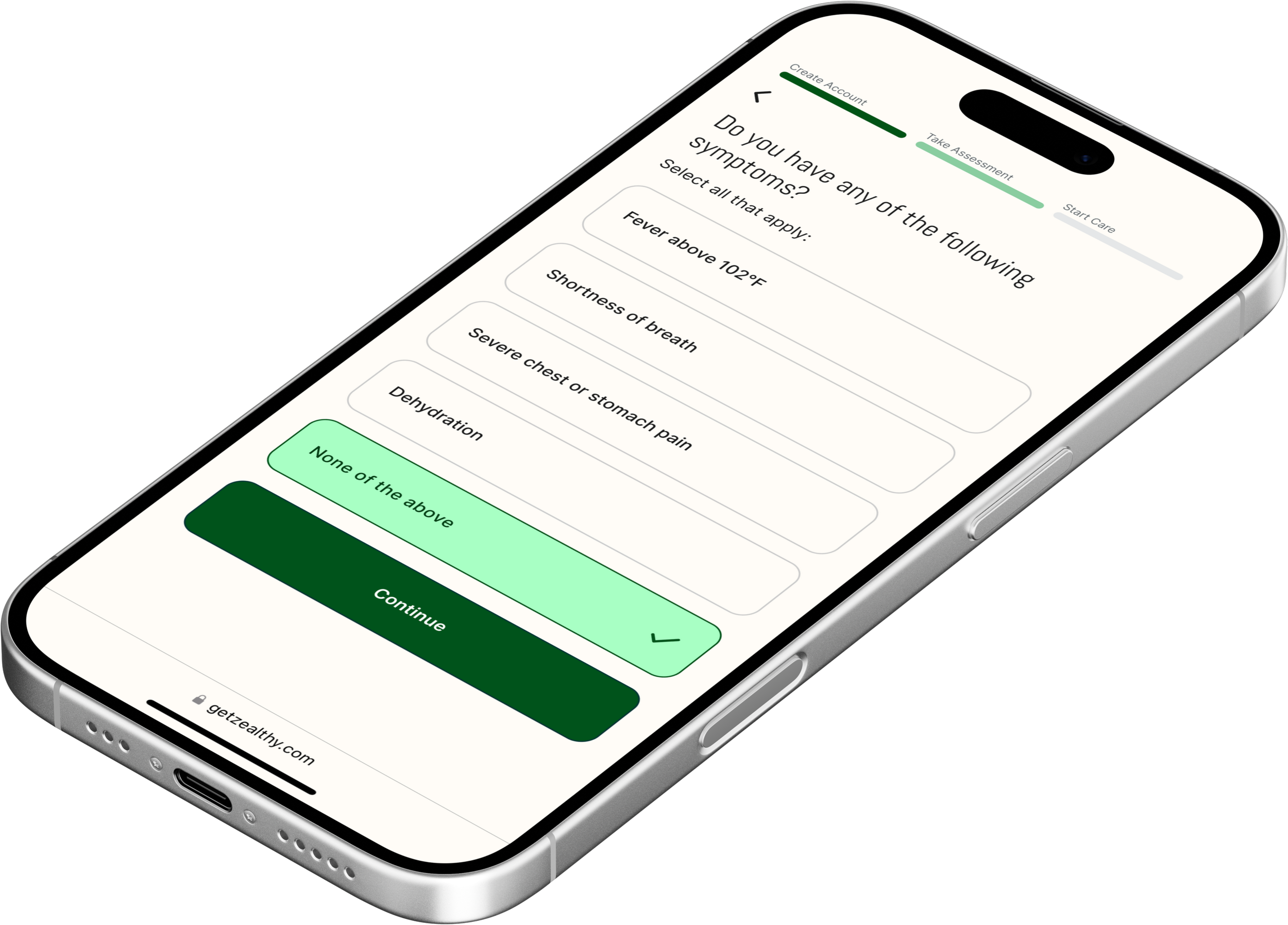
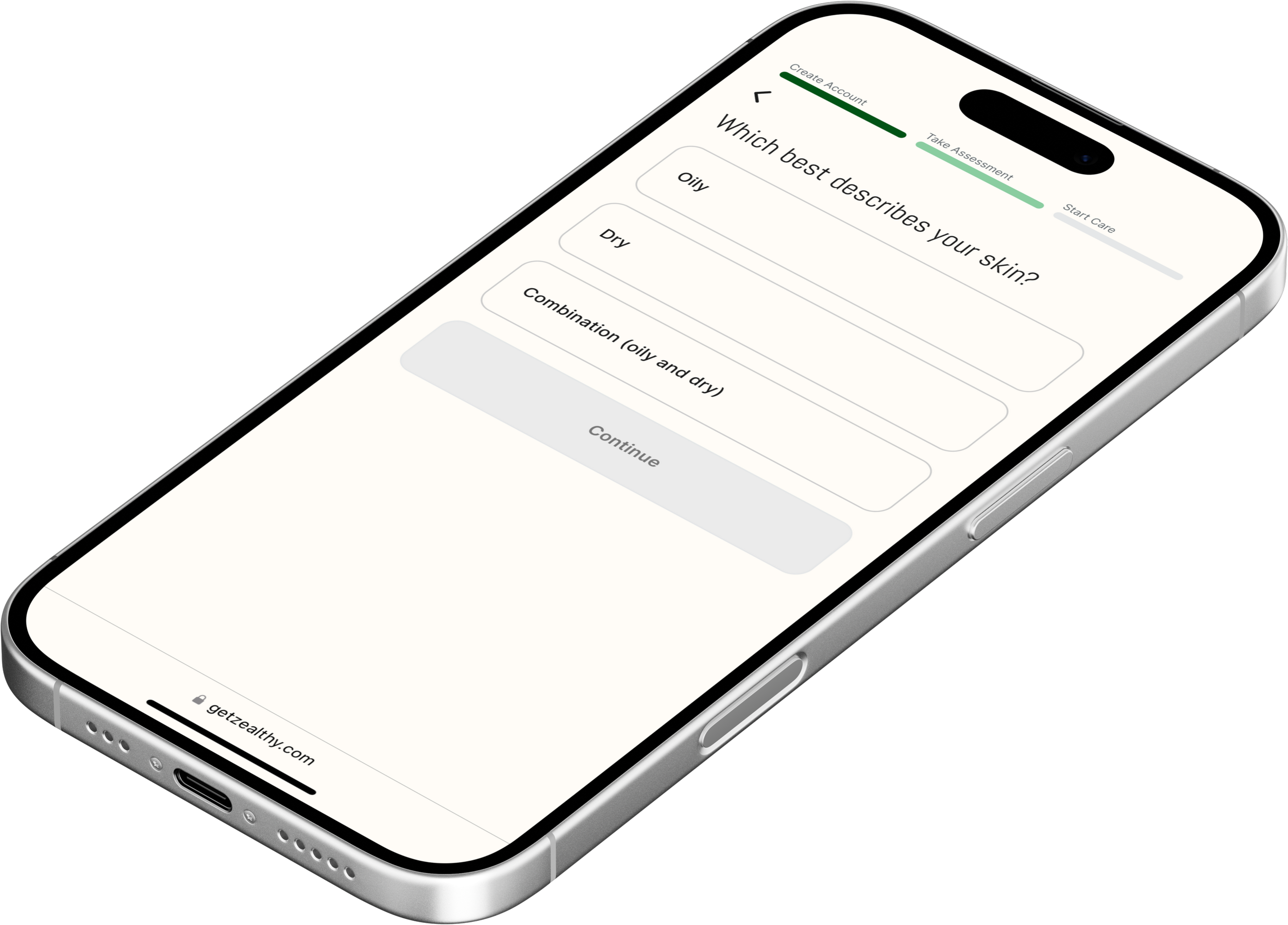
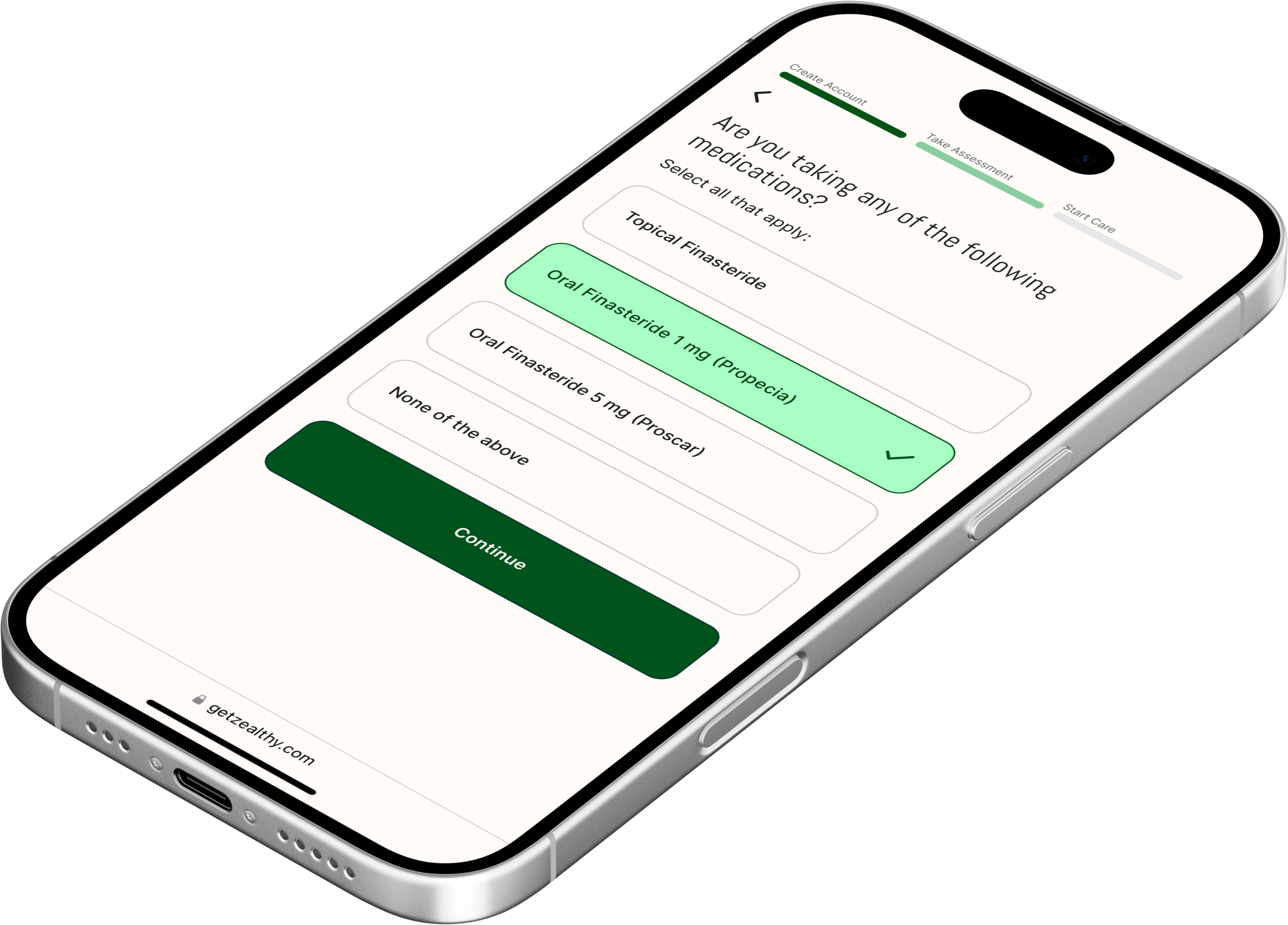
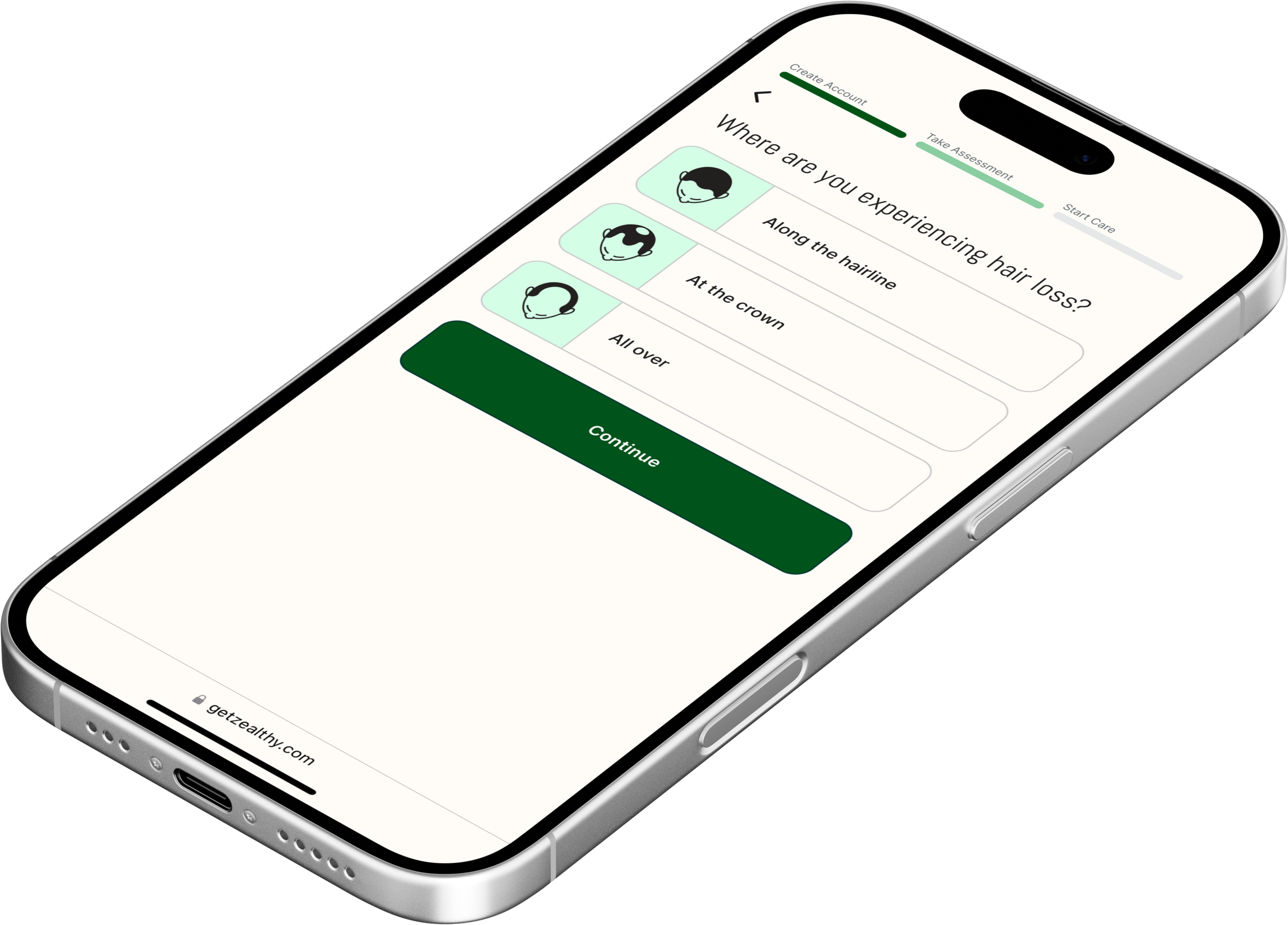
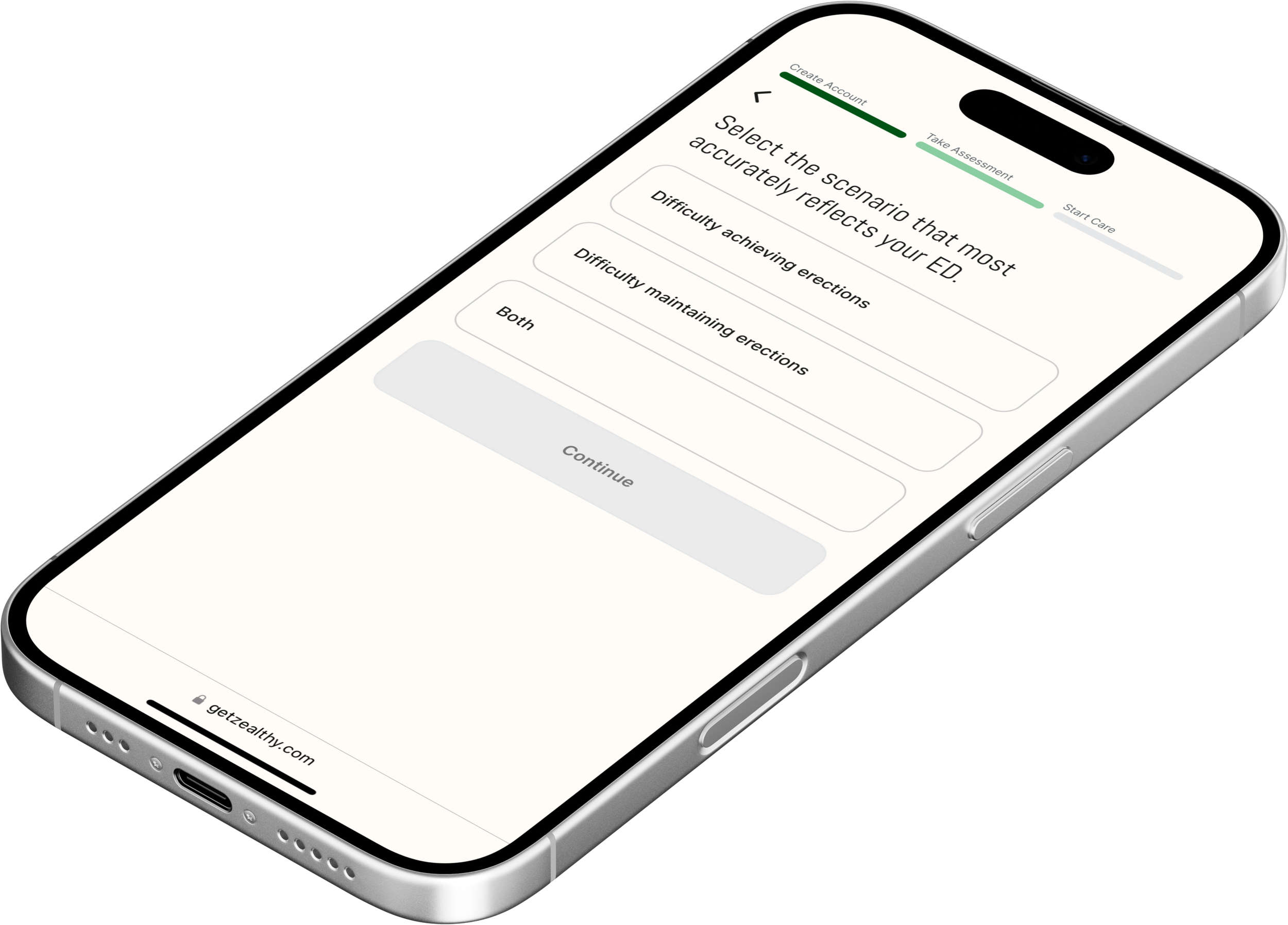
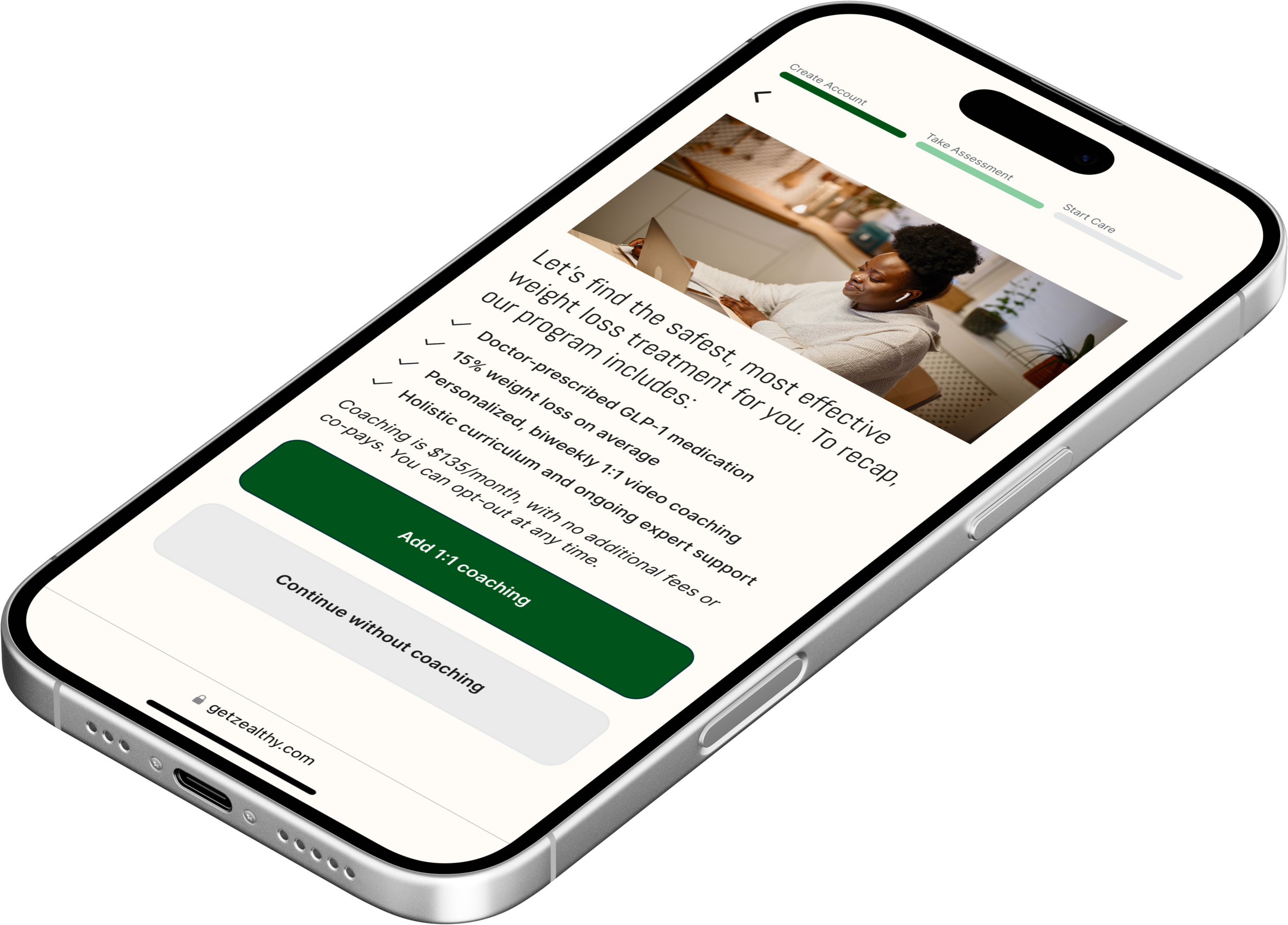
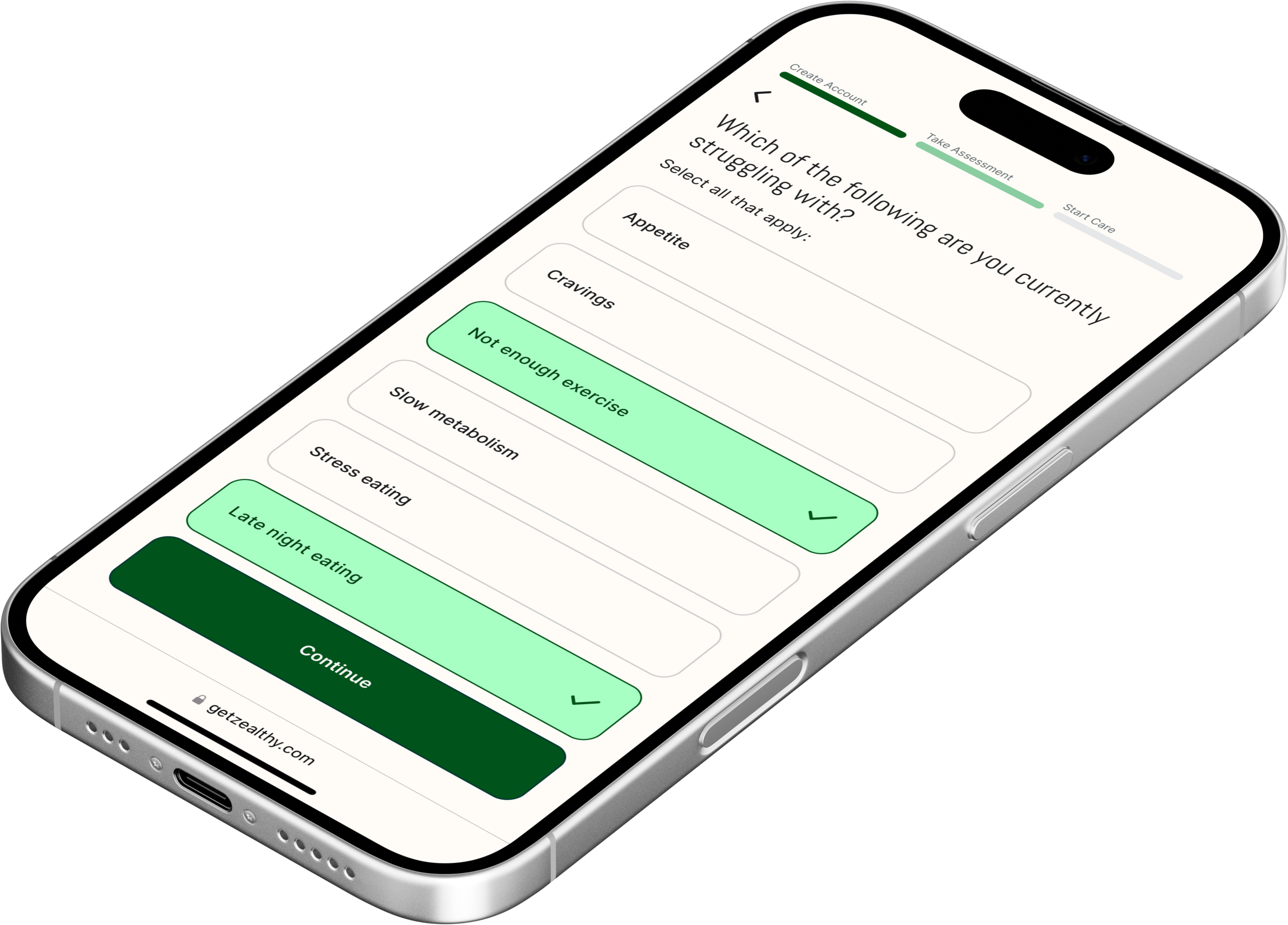
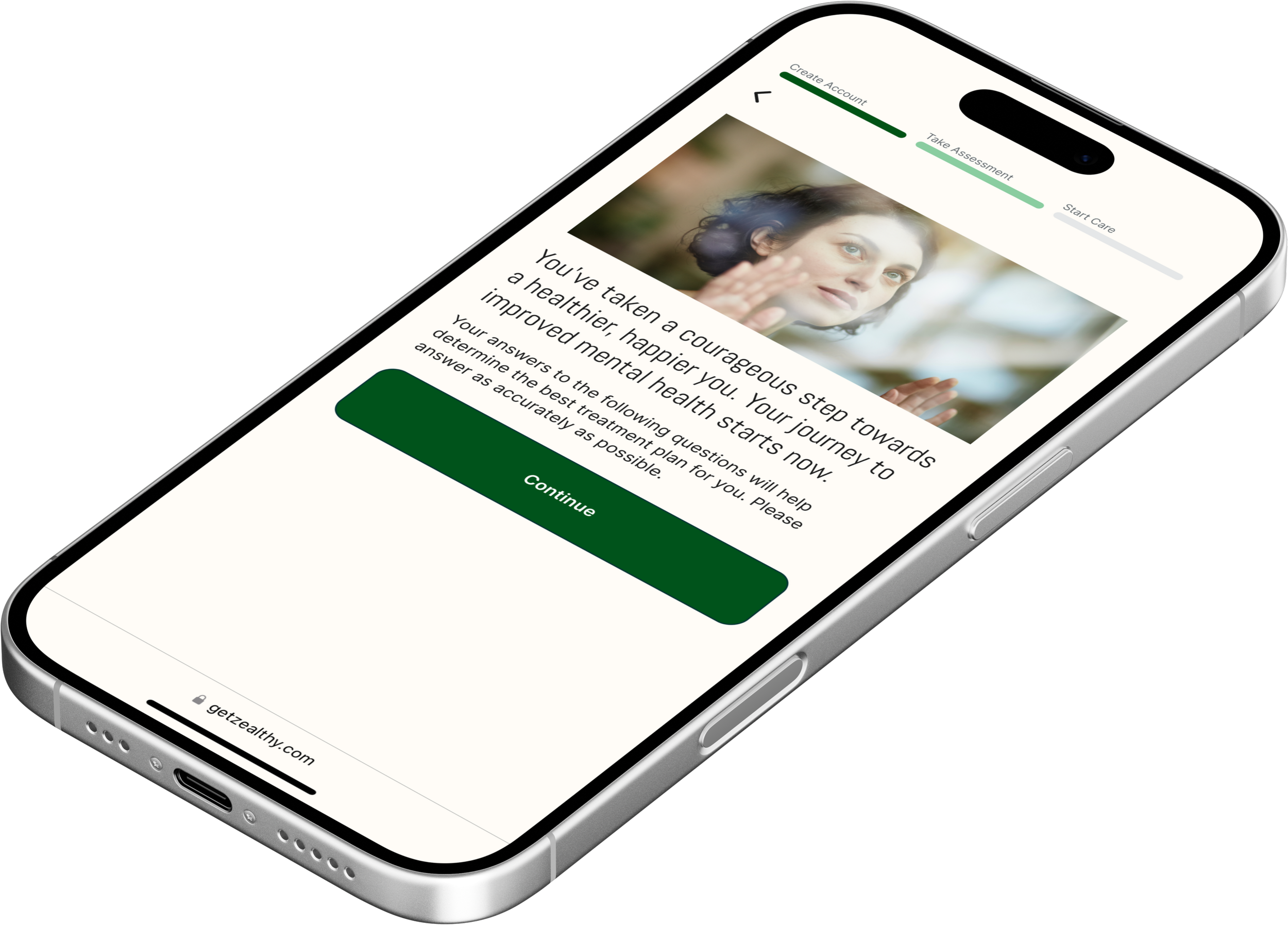
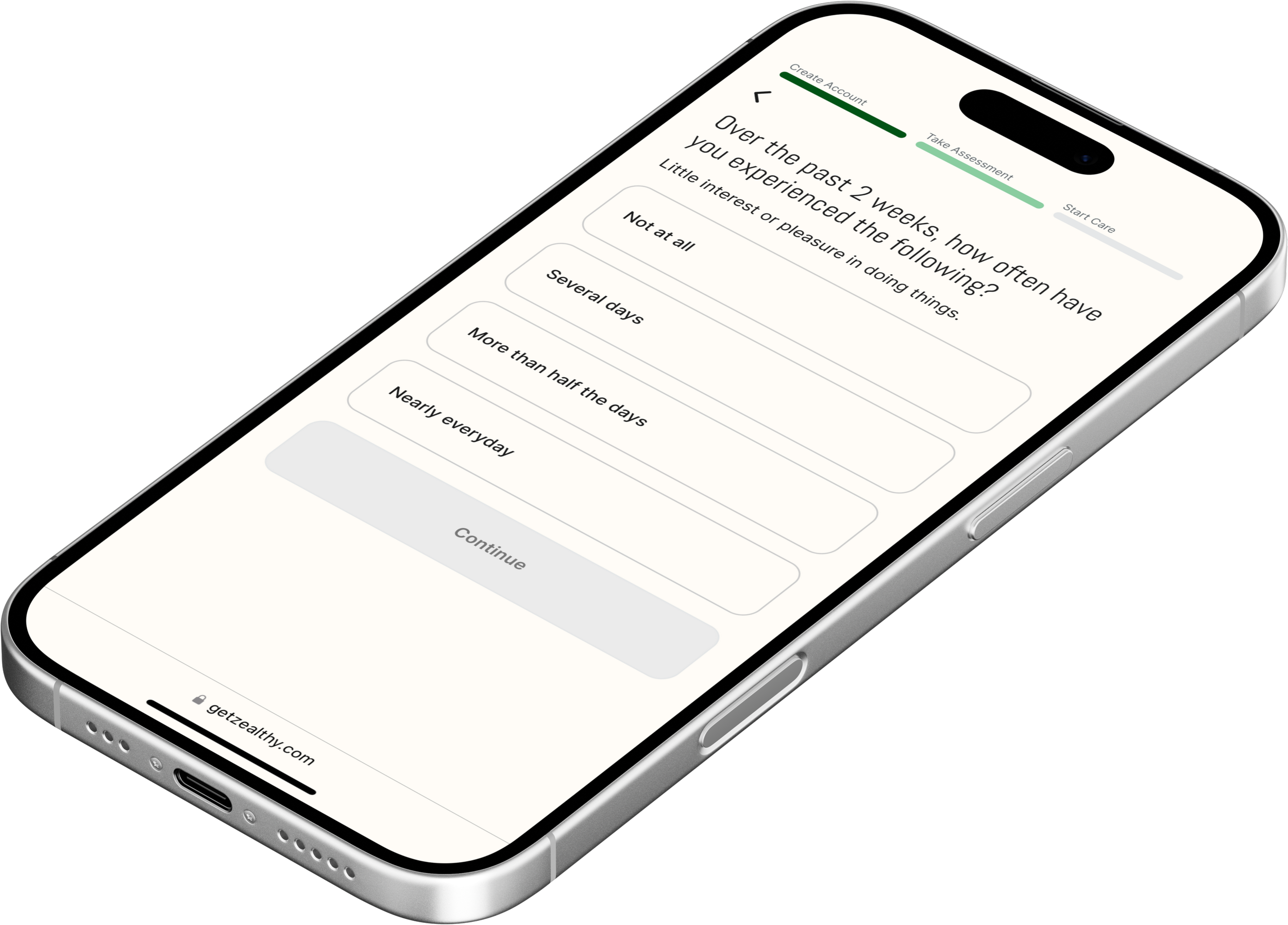
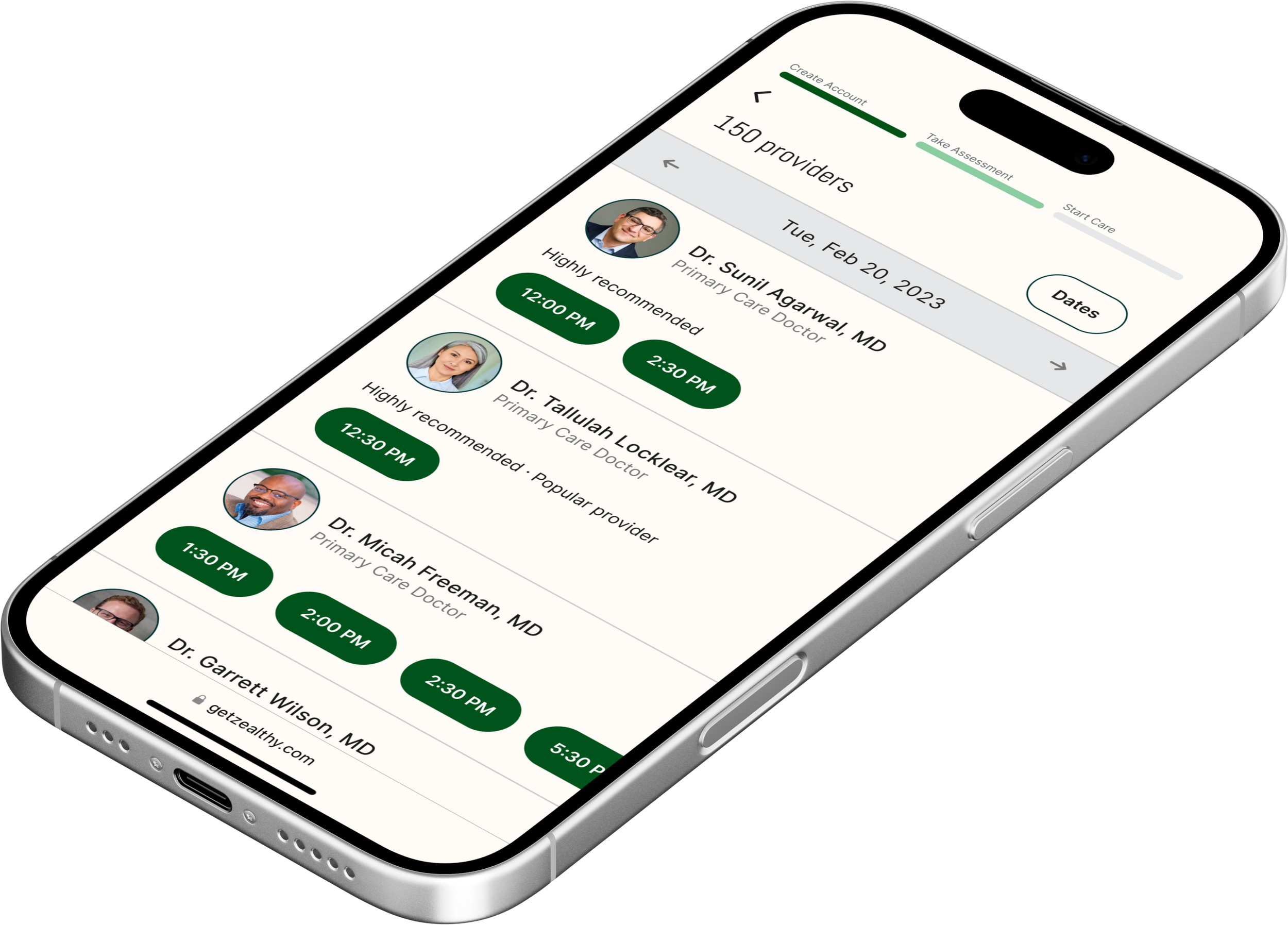
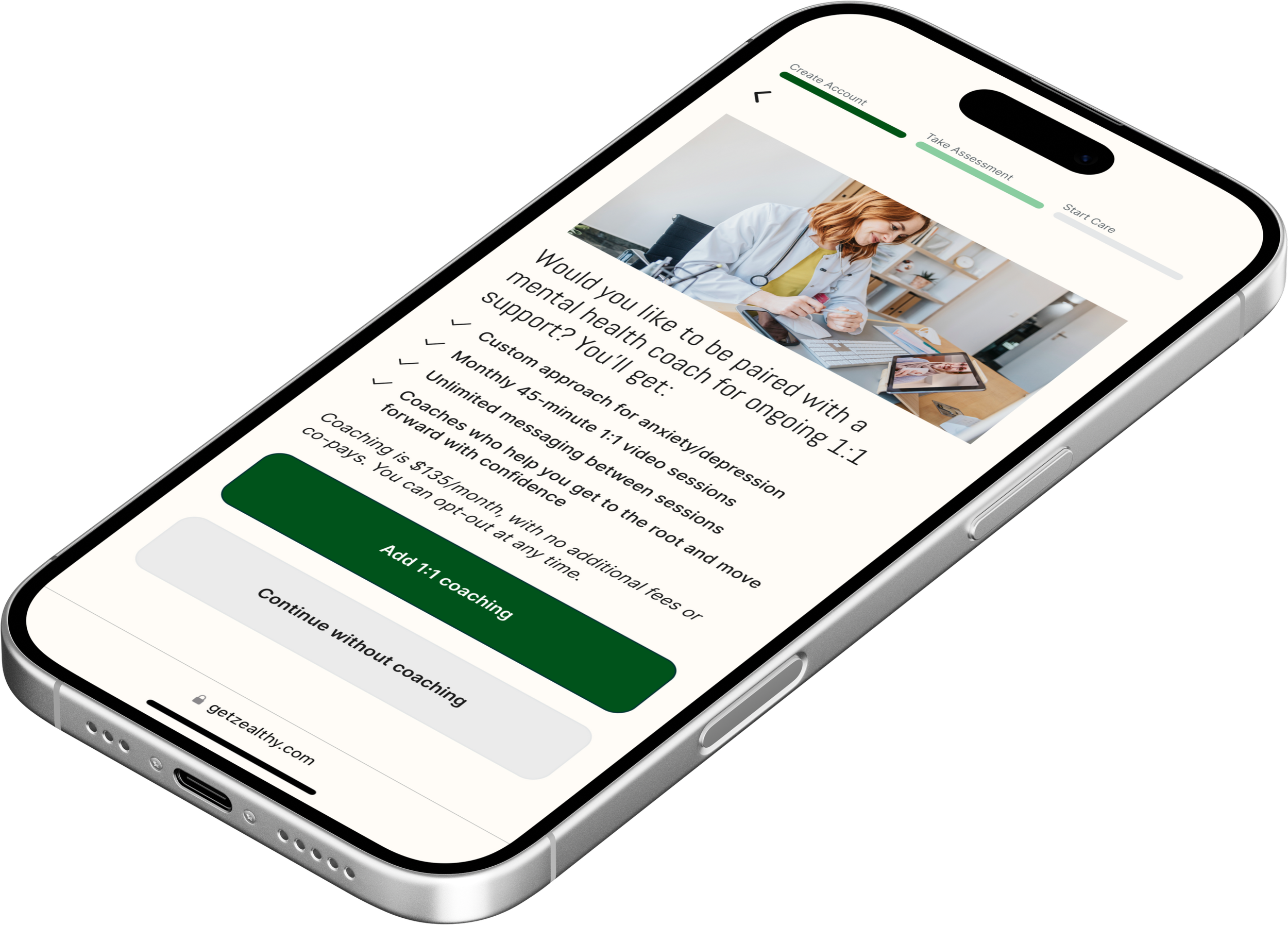
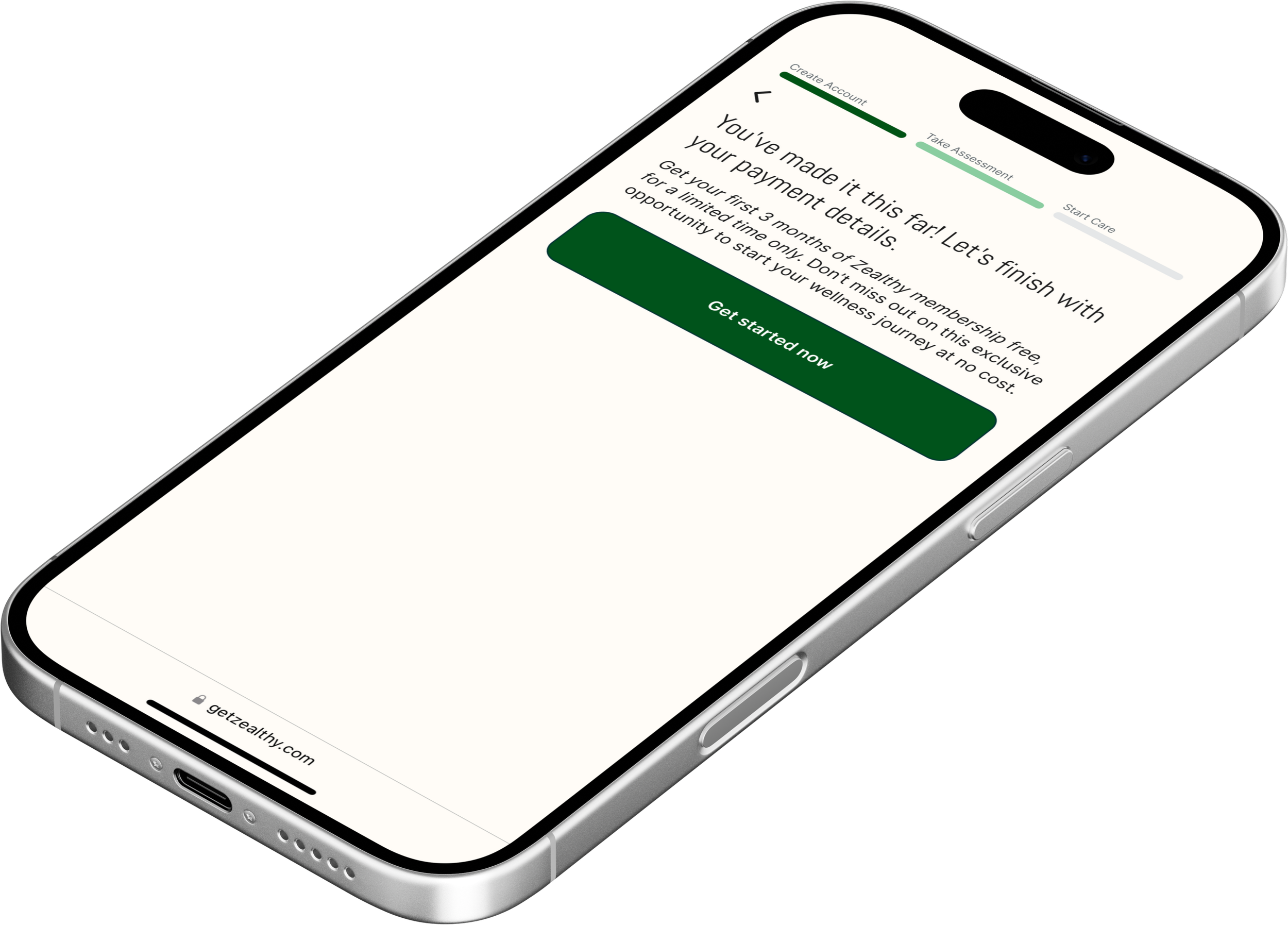
Toward the end of my time there, the product soft-launched—and within about 90 days, it acquired over 50,000 active, paying users. A year later, Zealthy was generating 6.5 million in monthly revenue and had reached profitability, A testament to the strength of the foundation we built early on.